Home Window Tinting: Energy, Privacy & Style
Learn how home window tinting improves comfort, privacy, and energy use.
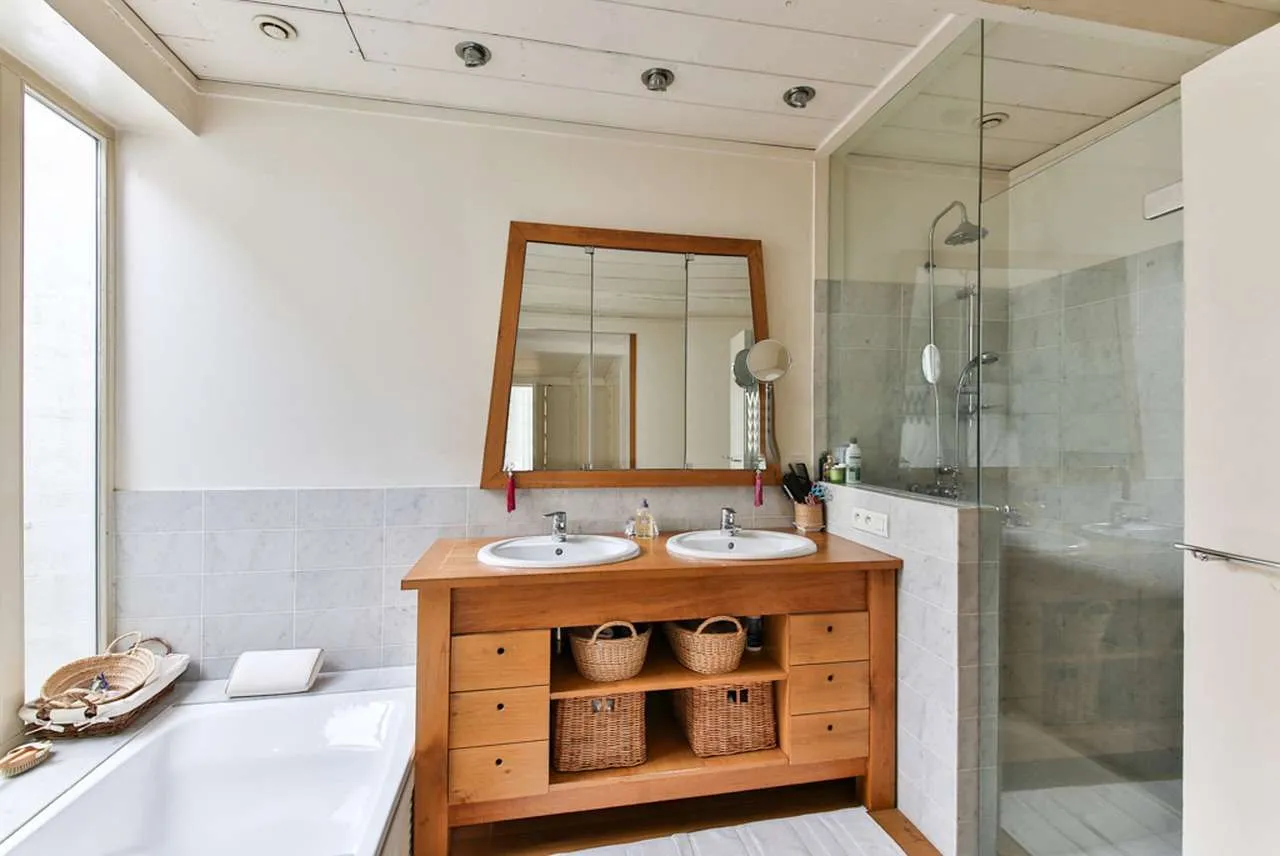
Home window tinting is a popular upgrade that applies a thin film to the interior surface of windows to reduce heat, glare, and UV exposure while preserving natural light. Done well, it can improve comfort, lower energy bills, and protect furnishings from sun damage.
What is home window tinting?
Window tinting uses specialty films or coatings installed on interior glass. Unlike reflective glare-only coatings, modern films balance clarity with energy-saving performance. Films come in varying shades and technologies and can be installed on most single- and double-pane residential windows. In EEAT terms, choosing an established provider with transparent processes helps ensure safe, durable results backed by real-world experience.
Benefits of home window tinting
Energy savings: By reducing solar heat gain in summer and minimizing heat loss in winter, tinting helps maintain stable indoor temperatures. This can lower cooling costs by up to 5-15% depending on climate and home design.
UV protection and furniture protection: Most quality films block 99% or more of ultraviolet rays, slowing fading of fabrics, flooring, and artwork.
Glare control and comfort: Tinting reduces glare on screens and reduces eye strain in bright rooms, especially near large south- or west-facing windows.
Privacy and safety: Intermediate tints offer daytime privacy without sacrificing view. Some films also hold shards together when glass breaks, improving safety.
Types of tint films
Different film technologies offer different benefits. Common options include:
- Dyed films: Affordable with good color; can fade over time and offer moderate UV rejection.
- Metalized films: Excellent heat rejection; may interfere with electronics and cameras; give a reflective look.
- Ceramic films: High clarity, strong UV rejection, excellent heat control; typically the most durable but pricier.
- Carbon films: Matte finish with solid UV protection and minimal reflectivity; balance cost and performance.
- Insulated or dual-pane films: Designed for energy-star homes; best for extreme climates; higher cost but strong energy savings.
Choosing a professional installer
For lasting results, hire an experienced installer with proper licensing and insurance. Look for:
- Local experience and a portfolio of residential projects
- Written warranties on film and labor
- Clear, itemized quotes and transparent timelines
- Reputable brands with installation certifications
- References from neighbors or friends and a clean site before/after photos
For EEAT, look for installers who demonstrate expertise and transparency — licenses, warranties, written estimates, and references show authority and trust.
Costs and return on investment
Typical installed costs vary by window size, film type, and labor in your area. A common range is $5 to $15 per square foot installed, with higher-end ceramic or carbon films closer to the top end. While initial outlay matters, many homeowners see energy savings and protection from sun damage that extend the life of interior furnishings, potentially delivering a favorable payback over several years.
Installation process and maintenance
A professional install usually follows a simple sequence: an on-site assessment, measurement, window cleaning, film cutting, and precise application with squeegees to prevent air bubbles. Most installations are completed in one day per room, with a cure period before touching or cleaning the film. To maintain clarity, clean with a soft cloth and mild, non-ammonia cleaners; avoid abrasive pads that could scratch the film.
Table: Tint film comparison
| Type | UV Rejection | Heat Rejection | Visible Light Transmission (VLT) | Pros | Cons |
|---|---|---|---|---|---|
| Dyed | Good | Moderate | Medium | Affordability, color options | Can fade, less durable |
| Metalized | Excellent | High | Low | Strong glare control | Possible interference with electronics |
| Ceramic | Excellent | Excellent | High | Best clarity and durability | Higher cost |
| Carbon | Excellent | Good | Medium | Matte finish, non-reflective | Mid-range cost |
| Insulated/Dual-pane | Very good | Excellent | Low | Energy savings, privacy | Cost |
Get started with home window tinting
To begin, measure your windows or request a professional site visit for an accurate quote. Ask about film brands, warranty coverage, installation timelines, and whether the installer handles permit requirements or energy performance documentation. Compare quotes, check references, and request a sample patch to evaluate clarity and color in your lighting.
Conclusion
Conclusion, home window tinting blends energy efficiency, UV protection, privacy, and style. By choosing the right film type, hiring a qualified installer, and following proper maintenance, you can enjoy comfort gains and long-term value for your home.